Explained
What a note pyramid actually tells you
Top, heart, base — and the eight hours they describe.
Every fragrance page you have ever read has one: three short lists, labelled top, heart and base. It looks like a recipe. It is not. It is a timetable — a description of what you will smell first, what you will smell for most of the day, and what will still be on your skin when you take your coat off that night.
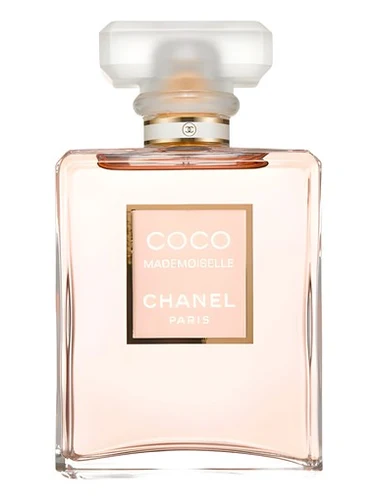
Drag through one below. This is Chanel Coco Mademoiselle, from the first spray to eight hours on.
Coco Mademoiselle, from first spray to evening
0:00after the first spray
Top
- orange
- bergamot
- grapefruit
Heart
- rose
- jasmine
- litchi
Base
- patchouli
- vetiver
- vanilla
Top: the first impression
Top notes are the lightest materials in the bottle — the ones that leave the skin fastest. They are what you smell in the first minutes, and they are designed to grab you: citrus, light fruit, fresh herbs. Across the 2,016 fragrances we cover that publish all three layers, the most common top notes are bergamot, pink pepper, cardamom, mandarin orange and lemon. All of them bright, all of them gone within the hour.
Heart: who it really is
As the top lifts, the heart arrives, and this is the fragrance you will actually wear for most of the day. Florals live here, and spices, and the things a perfumer builds the whole idea around. The most common heart notes in our index are jasmine, rose, orange blossom, iris and geranium.
Base: what stays
Last and longest are the base notes — the heaviest materials, the slowest to evaporate. Woods, resins, musks, vanilla. They are present from early on, quietly, and they are what is left on a scarf the next morning. Our most common: musk, amber, vanilla, sandalwood and patchouli.
A note pyramid is not an ingredients list. It is a promise about time.
Same timetable, different journey
Every fragrance runs on the same clock, so a second pyramid moves the same way — what changes is what you meet along it. Chanel Coco Mademoiselle goes from citrus to flowers to warm woods: orange, bergamot and grapefruit into rose, jasmine and litchi, settling on patchouli, vetiver and vanilla. Dior Sauvage takes a different road entirely: bergamot and pepper up top, Sichuan Pepper, lavender and star anise in the middle, and Ambroxan, vanilla and cedar underneath. Fresh and spiced rather than floral — and you can see it before you have smelled either.
Sauvage, for comparison
0:00after the first spray
Top
- bergamot
- pepper
Heart
- Sichuan Pepper
- lavender
- star anise
Base
- Ambroxan
- vanilla
- cedar
What it cannot tell you
A pyramid describes a fragrance, not your evening with it. It does not know the concentration you bought — an eau de toilette and an eau de parfum of the same name can wear very differently. It does not know your skin, the weather, or whether you sprayed it twice or six times. And the names of notes are descriptions, not contents: a note called “litchi” is a fragrance that smells of lychee, not a bottle with fruit in it.
Read it as a timetable and it becomes the most useful thing on the page.