The object
The atomiser: the little pump that decides what you smell
From a doctor's throat spray to the cap on every bottle — how the mist works, what makes a great sprayer, and what every single spray of a famous fragrance really costs.
Every fragrance on this site reaches you the same way: through a part no one ever looks at. The atomiser — the little pump under the cap — decides how a perfume meets the air, how much of it you wear, and, quietly, what every press costs you. This is the story of the most underrated object in perfume.
≈1,000
sprays in a 100ml bottle
51¢
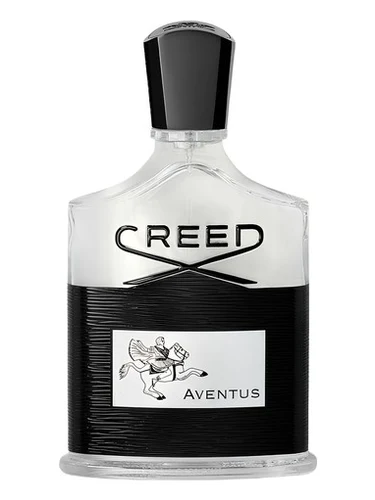
one spray of Aventus
2¢
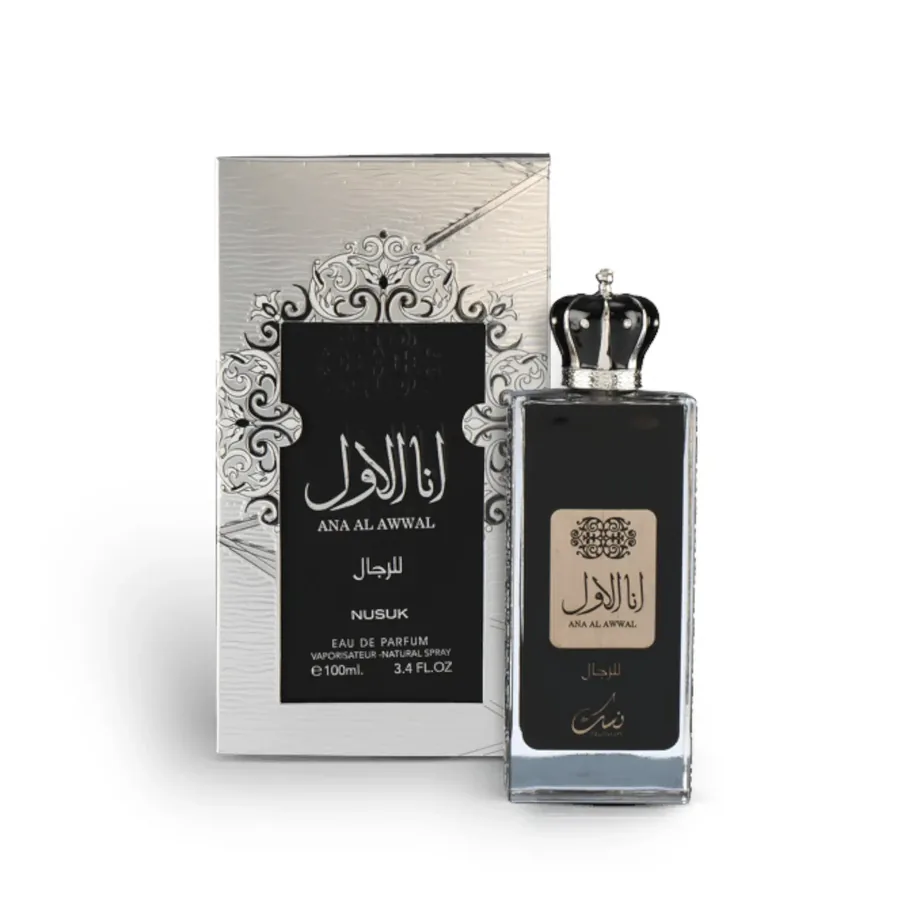
one spray of its cheapest twin
From a throat spray to the dressing table
The atomiser began as a medical tool. In the 1880s a doctor in Ohio, Allen DeVilbiss, wanted a way to get medicine onto the back of a patient's throat, and built a device that blew air across a narrow tube to break liquid into a fine spray. His son saw the obvious: the same trick, applied to perfume, turned a splash into a cloud. By the early twentieth century the DeVilbiss name was on atomiser bottles across America, each with its squeeze bulb and tassel.
- 1880sA doctor's invention
In Toledo, Ohio, Dr Allen DeVilbiss builds an atomiser to spray medicine into patients' throats — a squeeze bulb that pushes air across a tube and breaks liquid into a mist.
- 1900sFrom the clinic to the dressing table
His son Thomas turns the idea to perfume. DeVilbiss atomisers — glass bottles, silk-tasselled squeeze bulbs — become a fixture of the vanity.
- 1920sThe art-glass era
Glassmakers and jewellers make the atomiser an object: cut crystal, enamel and gilt, the bottle as beautiful as what's inside it.
- Mid-centuryThe pump replaces the bulb
Sealed, mechanical spray pumps arrive. No more bulb: press the cap and a measured dose comes out every time — and the bottle keeps the air out.
- TodayA tiny precision machine
A modern pump is a spring, a valve, a dip tube and a nozzle whose hole is a fraction of a millimetre wide. It decides how fine the mist is and how much you get per press.
Why a mist smells different from a splash
A fine spray breaks a single drop into thousands of tiny ones. More droplets means more surface touching the air, and that means the most volatile notes — the citrus, the spices, the bright top of a fragrance — lift off almost instantly. That is why the first seconds of a perfume from a good atomiser feel like a burst, and why the same fragrance dabbed from a splash bottle can open softer and closer to the skin.
The spray also spreads the fragrance over a wider patch of skin or clothing. A wide, even cloud wears more evenly than one wet spot. Nothing about the liquid has changed — only the way it arrived.
What a great sprayer does
- A fine, even mist, not a jet or a spatter. The finer the cloud, the more evenly it lands.
- The same dose every press, so two sprays today are two sprays tomorrow.
- No drip, no dribble on the last part of the stroke.
- A sealed bottle, so air and light stay out and the fragrance lasts longer once opened.
A cheaper bottle does not always mean a worse pump — but the pump is one of the places a lower price can show. If a twin's spray feels wetter or patchier than the original's, that alone can change how it seems to perform, before you even get to the juice.
What one spray really costs
Here is the part nobody talks about. A typical spray releases roughly a tenth of a millilitre, so a 100ml bottle holds about a thousand presses. Pick a fragrance, set how many sprays you wear a day, and see what a year of it costs — the original at list price, against its best-value twin.
Sprays a day: 4
The original ·
Its best-value twin ·
You'd keep
a year
At ≈0.1ml a spray. Original at list price per 100ml; twin at the cheapest priced per-100ml offer we track. Pumps vary — this is a guide, not a receipt.
How to spray, properly
Hold the bottle a hand's width away — about ten to fifteen centimetres — so the mist has room to open into a cloud before it lands. Aim at warm places: the neck, behind the ears, the inside of the wrists, or the chest under a shirt. Then leave it alone: rubbing your wrists together does not "release" anything, it only warms and smears the top notes. Two or three presses is plenty for most fragrances; a strong amber or oud often needs one.
And if you love a bottle too much to carry it, a small refillable travel atomiser does the same job in a pocket — decant a few millilitres and keep the big bottle safe at home, out of the light.
Your turn · reader poll
What matters most in a sprayer?