Explained
EDT, EDP, extrait: what the word on the bottle really means
How strong each label is meant to be, why the bands overlap, and which strength the dupe houses actually copy.
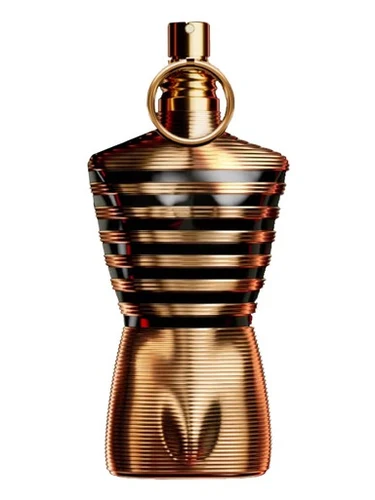
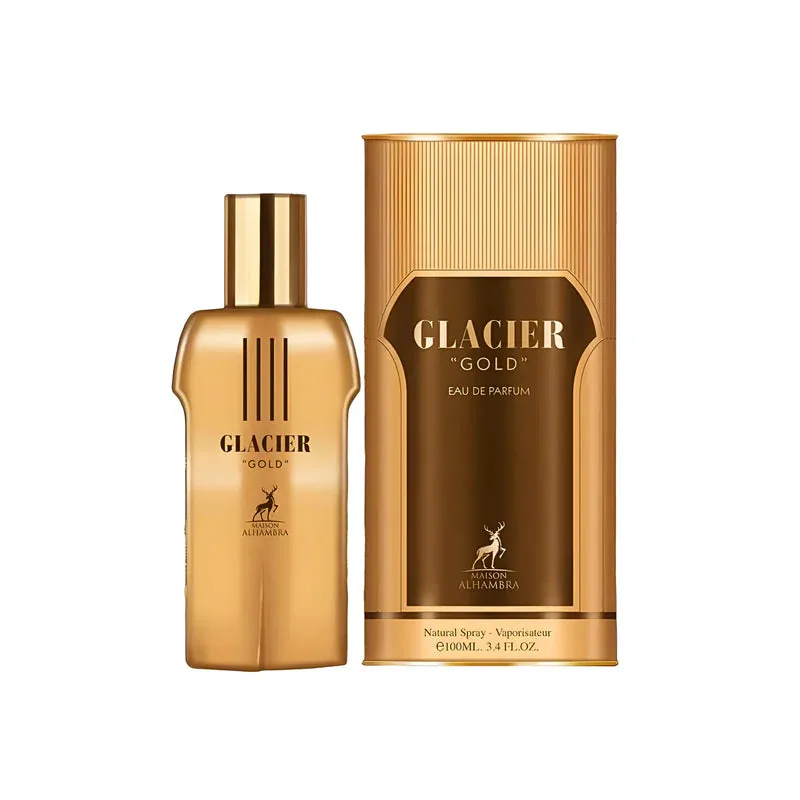
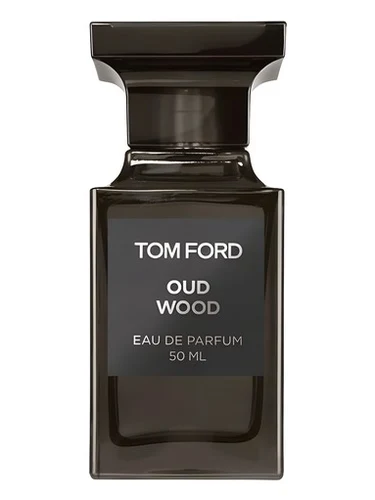
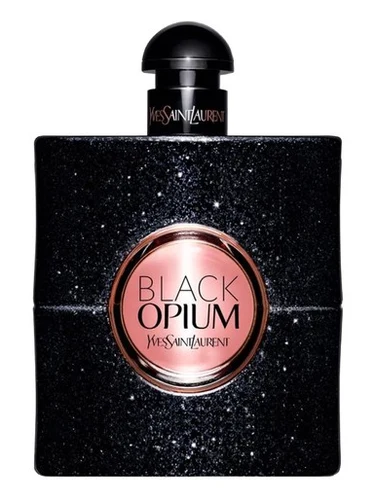
Eau de toilette, eau de parfum, parfum, extrait. The word under the name on a bottle is meant to tell you how strong it is. It does, roughly. What it does not tell you is how much stronger, whether it is the same perfume, or whether anyone checked.
What the words mean
The words describe how much perfume oil is dissolved in the alcohol. The usual ranges, as Wikipedia's perfume article sets them out, run from a few per cent for a cologne to as much as a third for an extrait. That article is frank about how loose they are: different sources define them differently, and one house's eau de toilette can be stronger than another house's eau de parfum.
- Eau fraîche, mists3% or less
- Eau de cologne2–3%
- Eau de toilette5–15%
- Eau de parfum15–20%
- Parfum, extrait15–30%
At 15% a bottle could honestly be labelled eau de toilette, eau de parfum or parfum.
Ranges: Wikipedia, "Perfume", dilution classes. Sources differ on the exact figures.
Drag to 15%, the line where the bands meet, and three labels fit at once. That overlap is why the word is a hint, not a measurement. The same article adds a second catch: a stronger version of a famous scent can be a different formula, not the same one with less alcohol. It gives Chanel No. 5 as the example, where the parfum, eau de parfum and eau de toilette are separate compositions. Stronger usually lasts longer, but "stronger" can also mean "different".
What our catalogue is made of
Of the 10,756 originals we track, 2,017 have a strength on record. Eau de parfum dominates: 65% of them.
- eau de parfum · 1,310
- eau de toilette · 336
- parfum or extrait · 237
- cologne · 72
- mist · 62
Which strength gets copied?
42 perfumes in our catalogue are sold in more than one strength with twins of more than one version. In 36 of them a single version has the most twins : the eau de parfum in 18, the eau de toilette in 17, the parfum or extrait in 1. And the telling one: in 33 of those 36, the most copied version is simply the one that came out first. The copiers chase the original hit, not the strongest version.
Dior
Sauvageeau de parfum · 2018 67Sauvage Elixirparfum or extrait · 2021 37Sauvage Parfumparfum or extrait · 2019 3Sauvage Eau de Parfumeau de parfum · 2018 3Yves Saint Laurent
Black Opiumeau de parfum · 2014 42Black Opium Le Parfumparfum or extrait · 2023 27Black Opium Eau de Toiletteeau de toilette · 2015 26Black Opium Intenseeau de parfum · 2019 4Bars = twins of each version we track.
What a stronger bottle costs
Most of our flankers have no bottle size on record, so we can only compare a few lines like for like, per 100ml. Here are the 3:
- Dior Sauvage (eau de parfum) is $192 per 100ml; Sauvage Elixir (parfum or extrait) is $332, 73% more.
- Jean Paul Gaultier Le Male (eau de toilette) is $106 per 100ml; Le Male Elixir (parfum or extrait) is $142, 35% more.
- Yves Saint Laurent Y (eau de toilette) is $136 per 100ml; Y Eau de Parfum (eau de parfum) is $165, 21% more.
And what the twins say on the label
Twins pick a strength word too, and nobody checks it any more than they check the original's. Of the 9,815 twins we track, 322 put a strength in the name itself: "extrait" on 35, "eau de parfum or EDP" on 168, "parfum" on 33 and "perfume oil or attar" on 94. We do not test what is inside the bottle, and nobody can tell a concentration from a product photo. "Extrait" on a $30 twin is a promise, not a lab result.
So judge a twin the way you would judge any perfume: by what wearers say about how long it lasts and how it dries down. Each twin's page carries those reviews, and how a $20 bottle smells like a $500 one explains how twins are made. If you are comparing prices across strengths and sizes, compare per 100ml: the number every dupe list leaves out.
2,017
originals with a strength on record
42
sold in more than one strength
33
where the first release is the most copied
Your turn · reader poll
Which strength do you reach for?